
Heritage as Humanity’s Collective Memory
Why Preserving and Reimagining Cultural Heritage Matters in a Changing World.
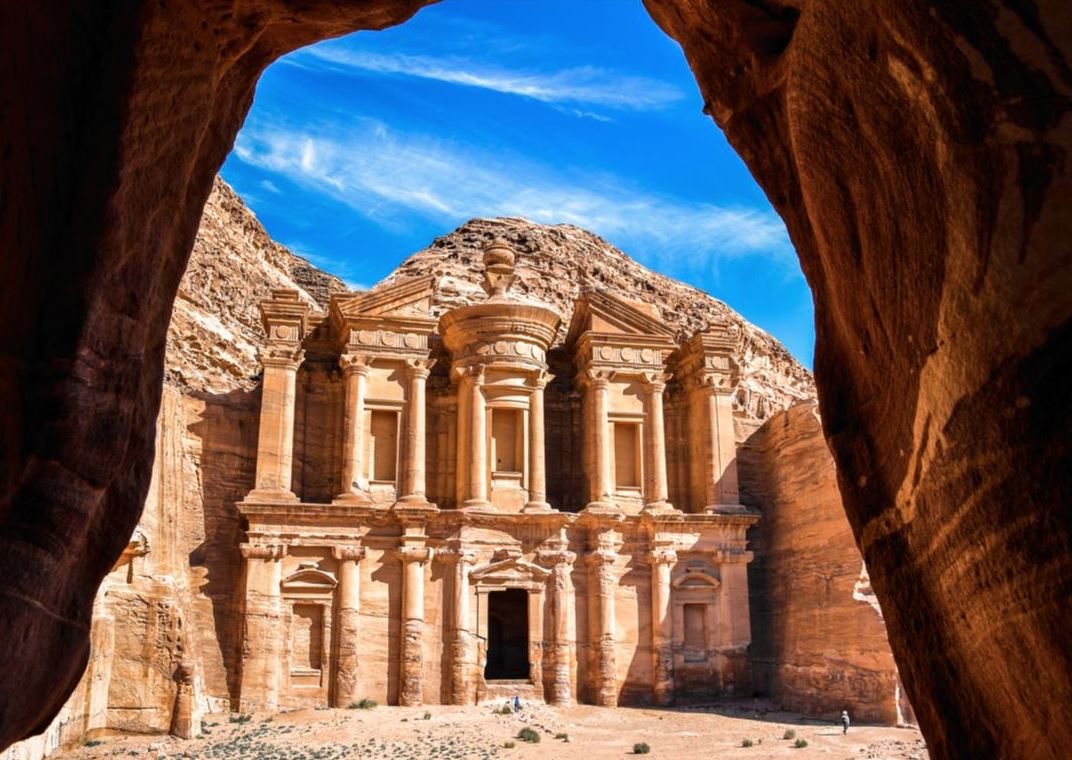
Defining the Many Faces of Heritage
Heritage is not limited to grand monuments or artifacts displayed behind glass. It is both tangible and intangible, encompassing architecture, landscapes, languages, rituals, crafts, and culinary traditions. A temple, a song, a festival, or a recipe each carries memory, identity, and meaning across generations. Tangible heritage gives us physical anchors in the form of buildings, relics, and artworks, while intangible heritage exists in practices, knowledge, and values that live only when transmitted through people. Heritage is not only about the past but also about how the past continues to shape the present. It is the narrative thread that ties generations together, allowing communities to see continuity in the midst of change.
Heritage as a Living Process
Heritage is not a fixed set of objects to be guarded but a living process of remembering, performing, and adapting. Oral storytelling, for example, changes with each telling, shaped by the voice of the storyteller and the needs of the audience. Festivals and rituals evolve with new participants and circumstances, demonstrating that heritage survives by transforming. The living nature of heritage means that preservation is not about freezing traditions in time but about creating conditions for them to thrive. When communities reimagine practices for contemporary contexts, such as blending traditional music with modern instruments or reviving ancient farming techniques to address sustainability, they affirm that heritage is a resource for resilience, not merely nostalgia.
Heritage and Identity
Heritage plays a central role in how individuals and communities understand themselves. It provides a sense of belonging, anchoring people in a shared story that stretches back through time. Identity is reinforced by the symbols of heritage, from sacred spaces to national monuments, but also by the everyday practices passed down within families. For diaspora communities, heritage becomes a bridge between homelands and new environments, allowing people to sustain cultural identity even while adapting to new contexts. This identity is never singular; it is layered and dynamic, shaped by both inherited traditions and the choices of new generations. Heritage thus becomes a dialogue between continuity and reinvention, grounding people while allowing for transformation.
Threats to Cultural Heritage
Heritage faces constant threats, both natural and human-made. War, colonization, and political upheaval have long destroyed monuments and suppressed cultural practices. Today, globalization and mass tourism risk turning heritage into spectacle, reducing rich traditions into performances staged for external consumption. Climate change also presents a severe challenge, as rising seas and shifting weather patterns endanger both tangible sites and the ecosystems that sustain cultural practices. The loss of heritage is not only a loss of memory but also a loss of knowledge systems embedded in traditions, such as ecological practices or healing methods. Protecting heritage, therefore, is not a luxury but a necessity for cultural survival and for the diversity of human wisdom.
The Role of Communities in Preservation
True heritage preservation must begin with communities themselves. Too often, heritage has been defined by governments or outside institutions that prioritize monuments over living practices. Yet heritage cannot survive without the people who live it. Indigenous groups, for example, have long fought to reclaim authority over their cultural artifacts and traditions, emphasizing that heritage is not property to be displayed but identity to be lived. Collaborative approaches to preservation value local voices, ensuring that safeguarding efforts reflect the needs and priorities of the communities involved. When communities are empowered to protect and adapt their own heritage, the result is not static conservation but living continuity.
Heritage in a Global Context
Globalization creates both opportunities and risks for heritage. On one hand, digital technology and international exchange allow traditions to travel, be shared, and gain recognition beyond their original contexts. On the other, homogenization threatens to erase the unique qualities of smaller or marginalized cultures. UNESCO’s recognition of intangible cultural heritage seeks to counter this by highlighting practices that might otherwise be overlooked, from traditional dances to culinary methods. Yet even this recognition raises questions: does global validation risk imposing external standards of authenticity? To honor heritage globally requires balancing visibility with respect, ensuring that traditions are not consumed or commodified but celebrated on their own terms.
Heritage as a Resource for the Future
Heritage is not only about honoring the past but also about imagining the future. Traditional ecological knowledge, for instance, offers insights into sustainability that modern science is only beginning to rediscover. Rituals and festivals provide models of collective resilience, offering ways to cope with crisis through shared meaning. Heritage can also inspire creativity, as contemporary artists, writers, and performers draw on ancestral traditions to create new works. In this sense, heritage is a wellspring of innovation, ensuring that the wisdom of the past continues to guide and enrich the present. It is a reminder that cultures are not relics but evolving systems of knowledge that can help humanity face contemporary challenges.
Heritage as Humanity’s Compass
Heritage provides orientation across time, shaping how societies understand their origins, values, and responsibilities. It encompasses what is inherited as well as the decisions made about what deserves continuity. Safeguarding heritage involves more than preservation, it requires recognizing how traditions, knowledge, and cultural expressions contribute to resilience and creativity. When examined thoughtfully, heritage reveals patterns of continuity and change, showing how communities adapt while maintaining identity. By engaging with heritage critically and respectfully, societies acknowledge the voices and practices that have shaped the present while allowing space for interpretation, renewal, and responsible transmission into the future.