
Archives as Gateways to Collective Memory
Preserving, Interpreting, and Reimagining the Records of Human Experience.
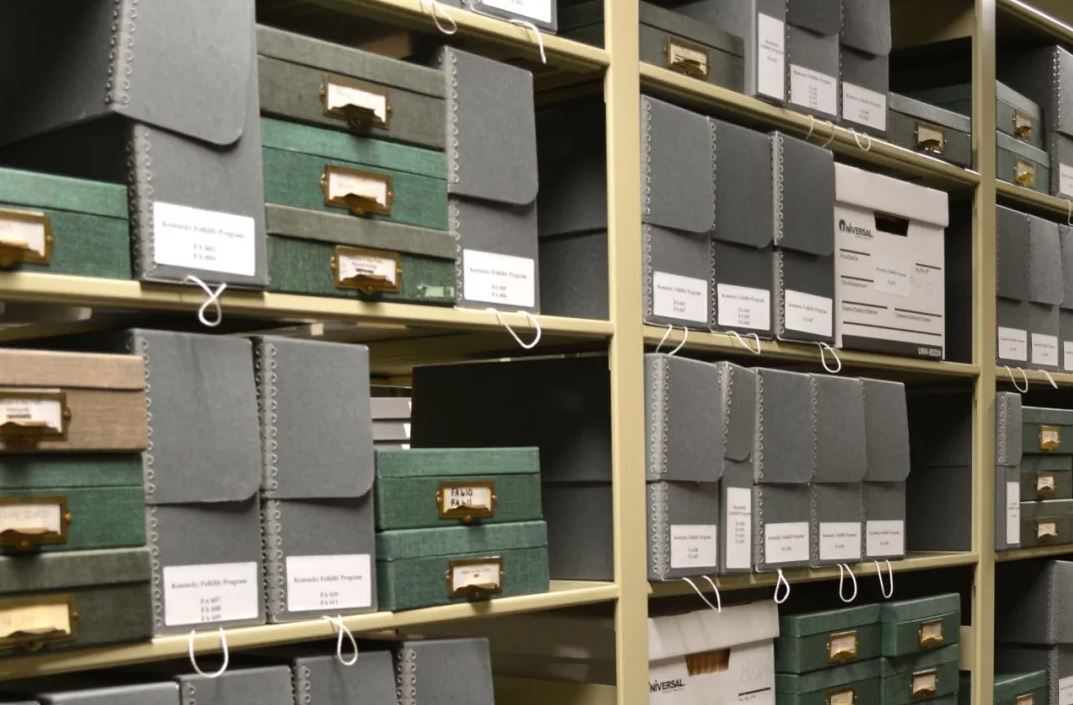
The Purpose and Power of Archives
Archives are more than dusty collections of documents or artifacts. They are living repositories of human memory, places where the traces of past lives, decisions, and cultures are preserved for future generations. Every archive, whether a national repository or a community collection, holds within it countless stories waiting to be rediscovered. Letters, maps, photographs, oral histories, and government records serve as threads that link individuals to the wider fabric of human history. Anthropologists and historians see archives not simply as storage but as active spaces where knowledge is shaped, contested, and transmitted. By curating what is remembered, archives also shape what is forgotten, reminding us that the act of archiving is never neutral but always tied to questions of power and representation.
Tangible and Intangible Archives
When people think of archives, they often picture physical documents or artifacts. Yet archives also extend into the intangible, encompassing oral traditions, songs, and cultural practices passed down through generations. In many indigenous societies, archives exist not in buildings but in the memories of elders, who safeguard and transmit knowledge through storytelling and ritual. These living archives challenge Western notions of preservation by emphasizing continuity through practice rather than through static storage. Increasingly, anthropologists recognize the importance of valuing both tangible and intangible archives, understanding that together they provide a fuller picture of humanity’s heritage.
The Role of Archives in Cultural Identity
Archives play a central role in shaping cultural identity. For nations, they preserve founding documents, historical treaties, and records of collective struggle, reinforcing narratives of belonging. For marginalized communities, archives can serve as acts of resistance, preserving stories that dominant histories ignore. Community archives, often created outside institutional frameworks, empower people to claim authority over their past. These grassroots efforts challenge official narratives by highlighting voices and experiences that might otherwise remain invisible. In this way, archives are not just about memory but also about justice, offering a platform for representation and recognition.
Archives as Dynamic and Evolving
An archive is never complete, nor is it unchanging. Collections expand as new materials are added, and interpretations shift as new questions are asked. The same document might be read differently by scholars, activists, or descendants of those it concerns. In this sense, archives are dynamic spaces where the past is continuously reinterpreted. The digital age has accelerated this transformation, allowing archives to exist in virtual form, accessible to global audiences. Digitization projects have opened up vast collections to new uses, but they also raise questions about access, ownership, and the preservation of digital data itself. What remains constant is that archives evolve with the societies that create and use them.
The Politics of Preservation
Archiving is not only about what is saved but also about what is excluded. Decisions about which documents to keep, which artifacts to restore, or which traditions to record are shaped by cultural values and institutional priorities. This creates a politics of preservation, where some histories are elevated while others are neglected. Colonial archives, for instance, often recorded indigenous peoples through the lens of power, erasing their voices while documenting their subjugation. Contemporary archival practices increasingly seek to redress these imbalances by including marginalized voices and collaborating with communities to ensure more inclusive preservation. Recognizing the political dimension of archives helps us understand that memory is always contested, shaped by choices that determine whose stories endure.
Archives in the Digital Era
The digital revolution has transformed how archives are created, stored, and accessed. Vast collections once accessible only in person can now be explored online, democratizing access to historical records. At the same time, digital archives raise new challenges. How do we preserve materials in rapidly changing formats? Who owns digital records, and who controls access to them? Social media itself has become a form of living archive, capturing personal and collective histories in real time. Anthropologists studying digital archives grapple with these questions, recognizing both the opportunities and the fragility of this new frontier. Digital archives expand the reach of memory, but they also remind us of the impermanence of modern technologies.
Archives as Sites of Dialogue
At their best, archives are not static repositories but active sites of dialogue. They invite scholars, artists, activists, and communities to engage with the past and to create new interpretations. Artists have often drawn inspiration from archival material, transforming forgotten fragments into new works of cultural expression. Descendant communities use archives to reclaim identity and heritage, while educators bring archival sources into classrooms to connect students with history in tangible ways. This dialogic function ensures that archives remain relevant, not as locked vaults but as spaces where past and present converse to shape the future.
Archives as Custodians of Humanity
Archives serve as repositories of human experience, preserving records of lives, events, and ideas across generations. They exist in many forms, from formal institutions and written documents to oral traditions and personal collections passed through families and communities. Engaging with archival material involves recognizing both continuity and absence, what has been recorded as well as what has faded or been excluded. These records shape how histories are constructed, identities are understood, and cultural memory is maintained. Archives therefore play an active role in how societies interpret their past, influencing how knowledge is transmitted and how meaning is carried forward into the present.