
Contact as Cultural Exchange
How Human Interaction Shapes Heritage and Understanding.
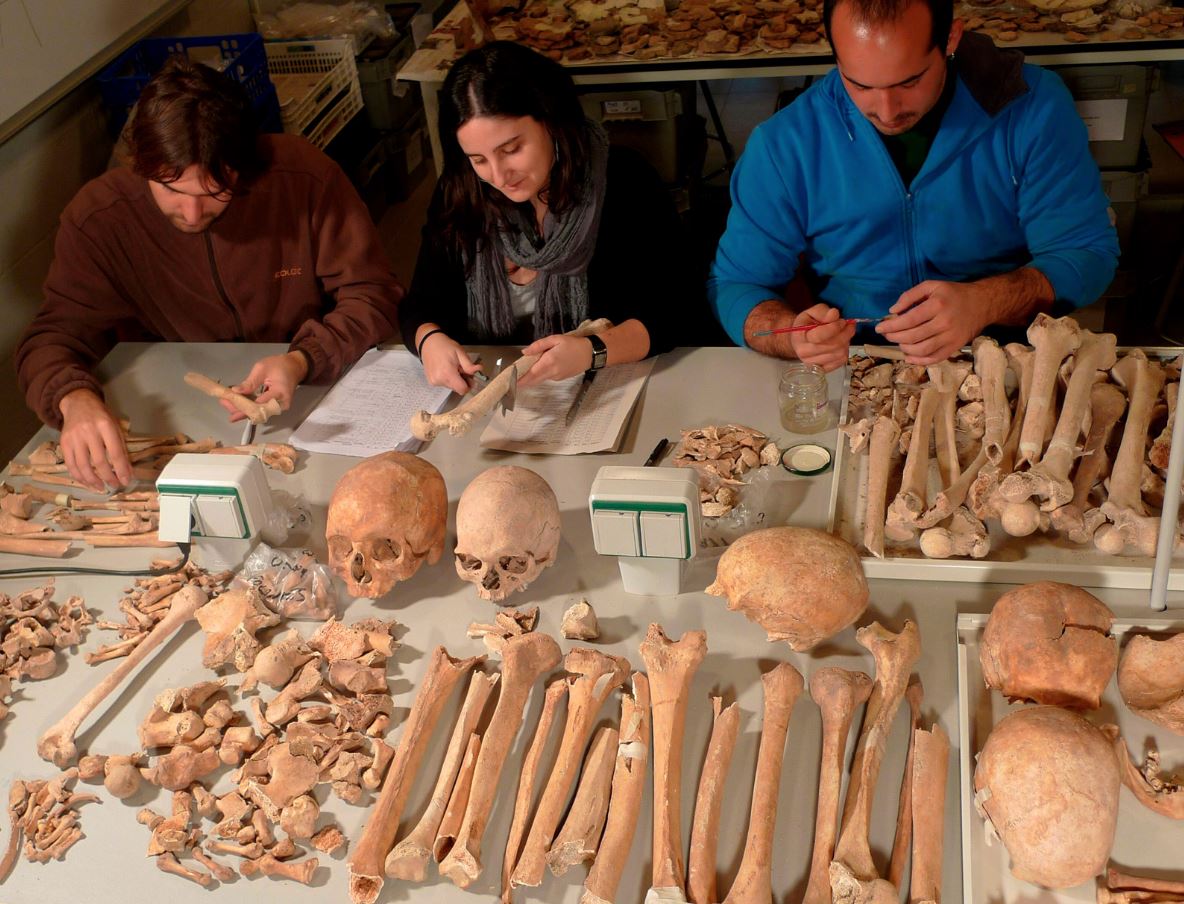
The Meaning of Contact in Anthropology
In anthropology, contact refers to the encounters that occur when different groups, cultures, or individuals interact. These exchanges are not limited to trade or diplomacy but extend into the intimate spaces of language, ritual, and daily life. Contact has been a driving force in the evolution of societies, from ancient trade routes connecting distant civilizations to the migrations that shaped continents. Anthropologists study contact to understand both the opportunities and the tensions it creates. Encounters can lead to cultural fusion and shared traditions, but they can also result in conflict, domination, or erasure. Recognizing the complexities of contact allows us to see culture as a dynamic process rather than a closed system, constantly shaped by the presence of others.
Contact and the Birth of Cultural Hybridity
One of the most visible outcomes of cultural contact is hybridity, the blending of traditions to create something new. Music, food, clothing, and language often reveal these intersections. Jazz, for example, emerged from the meeting of African rhythms and European musical forms in the United States, while cuisine across the world reflects centuries of exchange through colonization and trade. Contact transforms traditions, ensuring their survival by adapting them to new contexts. Hybridity demonstrates that cultures are not fragile vessels threatened by outside influence but resilient systems that thrive on creativity. By examining how contact creates hybrid forms, anthropologists uncover the processes by which heritage evolves into living, adaptive practice.
The Power Dynamics of Contact
Not all contact is equal. Colonialism, slavery, and conquest remind us that encounters often occur within systems of power and inequality. In such cases, cultural exchange is not mutual but shaped by domination, resulting in the suppression of local traditions and the imposition of new systems. Yet even under oppression, communities have preserved their heritage in subtle ways, embedding memory in oral stories, symbols, or hidden rituals. Contact in these contexts becomes both a site of loss and a site of resistance. Anthropologists analyze these dynamics to understand how marginalized groups assert identity despite historical trauma. This perspective highlights that cultural contact is never a neutral process but one deeply entangled with politics and power.
Contact in the Modern Global Era
Today, contact occurs at unprecedented speed and scale. Migration, tourism, and digital communication bring people into constant interaction across vast distances. Globalization allows traditions to travel, but it also risks homogenization, where smaller cultures are overshadowed by dominant global trends. Social media has created new forms of cultural contact, where memes, art, and stories circulate across borders instantly, reshaping heritage in ways unimaginable a century ago. Anthropologists study these exchanges to understand both the possibilities for solidarity and the dangers of erasure. The challenge of the modern era is to ensure that contact enriches rather than diminishes cultural diversity, creating dialogue rather than assimilation.
Contact and the Transmission of Heritage
Cultural heritage depends on contact between generations. The passing down of knowledge, whether through storytelling, apprenticeship, or ritual, ensures continuity across time. Grandparents teaching songs, elders guiding initiations, or artisans training apprentices embody the contact that sustains cultural memory. This transmission is not mechanical repetition but active interpretation, as each generation adapts heritage to its own needs. In this sense, contact is the lifeblood of heritage, keeping traditions alive while allowing them to evolve. Anthropologists emphasize that heritage is not preserved in isolation but through the relationships that connect people within families, communities, and societies.
Ethical Contact in Anthropology
For anthropology itself, contact is the foundation of fieldwork. Researchers enter communities as outsiders, seeking to understand and interpret cultural practices. This act of contact carries ethical responsibilities: to respect the people studied, to avoid exploitation, and to recognize that knowledge is co-created. Modern anthropology emphasizes collaborative approaches, where communities shape research and benefit from its outcomes. Ethical contact ensures that anthropology is not a one-sided extraction of information but a dialogue rooted in trust and reciprocity. This perspective reflects a broader truth: meaningful contact requires mutual respect, whether between cultures, individuals, or disciplines.
Contact as the Essence of Human Connection
Contact is not a secondary feature of human life but a central force that shapes how societies grow and change. Through interaction, people exchange ideas, adapt traditions, and form communities that extend beyond individual experience. Whether occurring through encounters across distant regions or conversations passed between generations, contact sustains cultural continuity and influences historical direction. It carries the capacity to foster understanding or create conflict, depending on how it is approached and understood. Moments of encounter shape collective memory, revealing both responsibility and possibility. By recognizing contact as a space for learning, exchange, and mutual respect, the enduring value of cultural diversity becomes clear, along with the ongoing dialogue that defines shared human experience.