
Anthropology as a Window into Human Existence
Exploring the Depths of Culture, Identity, and Adaptation.
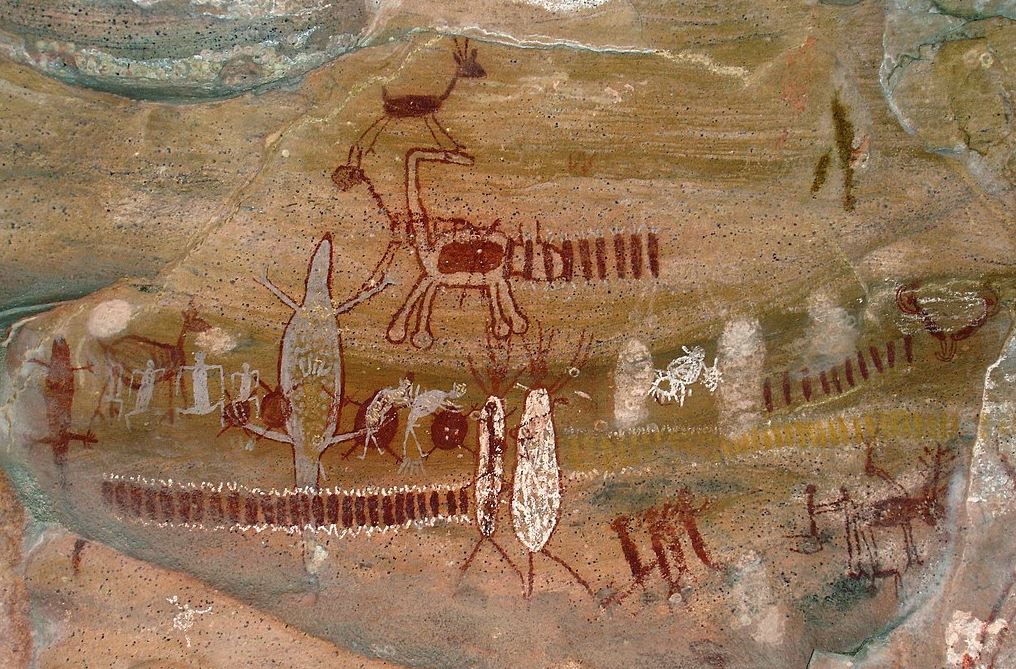
Defining Anthropology in a Changing World
Anthropology is the discipline that seeks to answer one of humanity’s most profound questions: what does it mean to be human? Unlike many sciences that narrow their focus, anthropology expands its vision across biological, cultural, linguistic, and archaeological dimensions. It studies the bones of our ancestors, the stories we tell in myths, the languages we use to communicate, and the customs that shape daily life. Anthropology insists on a holistic approach, viewing human beings as products of both biology and culture, history and environment. In a time of global connection and rapid change, anthropology remains vital because it reminds us that identity is complex and that understanding others requires empathy, context, and patience.
The Four Pillars of Anthropological Study
Traditionally, anthropology has been divided into four interconnected fields. Cultural anthropology examines the beliefs, practices, and social systems that guide human communities. Archaeology uncovers material traces of past societies, giving us insight into how humans adapted to their environments and interacted with one another. Biological anthropology explores human evolution, genetics, and adaptation, tracing our species’ deep history and ongoing diversity. Linguistic anthropology investigates the role of language as both a tool for communication and a marker of cultural identity. Together, these pillars do more than study isolated phenomena; they form a comprehensive framework for understanding the totality of human experience.
Fieldwork and the Ethnographic Tradition
One of anthropology’s defining practices is fieldwork, the immersive study of communities through direct engagement. Ethnography, the process of observing, recording, and interpreting cultural life, allows anthropologists to capture the rhythms of everyday existence. This often requires living among the people being studied, learning their language, and participating in their daily routines. Fieldwork demands humility and openness, as anthropologists must navigate the delicate balance between being outsiders and becoming part of the community. The result is a portrait of culture drawn not from statistics alone but from lived experience, offering insights into how values, norms, and relationships shape human lives.
Anthropology and the Question of Identity
Anthropology has always been deeply concerned with identity: how people define themselves, how they are defined by others, and how identities shift over time. From kinship systems in small-scale societies to questions of race, ethnicity, and nationhood in global contexts, anthropologists study the ways humans create belonging and difference. This focus is not only academic but also political, as it reveals the power dynamics that shape whose identities are valued and whose are marginalized. Anthropology emphasizes that identity is fluid, negotiated, and embedded in culture. By studying identity, anthropologists highlight both the richness of human diversity and the shared need for recognition and respect.
The Ethics of Representation
Anthropology has faced criticism for its past, when it often treated communities as subjects of study rather than partners in knowledge. Today, the discipline has embraced a more reflexive and ethical approach. Anthropologists are increasingly committed to collaborative research that centers the voices of the communities they work with. This involves asking not just what can be learned from people, but how the work can benefit them. The ethics of anthropology extend to issues of consent, representation, and accountability, ensuring that the narratives produced do not exploit or misrepresent. This shift represents a deeper awareness that anthropology is not a neutral science but a practice that carries responsibility.
Anthropology in the Age of Globalization
Globalization has transformed the scope of anthropology, expanding its focus beyond isolated communities to interconnected networks. Anthropologists now study migration, transnational identities, and the cultural effects of digital technology. They explore how traditions adapt when communities move across borders, and how identities shift in diaspora. Globalization also raises questions about cultural homogenization and the resilience of local traditions. In this context, anthropology becomes a tool for understanding both the forces that threaten diversity and the strategies communities use to preserve and reinvent heritage. By examining these dynamics, anthropology provides insight into the challenges and opportunities of an interconnected world.
Applied Anthropology and Contemporary Relevance
Beyond academia, anthropology has practical applications in health, education, development, and policy. Medical anthropologists study how cultural beliefs influence health practices, shaping how communities respond to disease and treatment. Applied anthropologists work with governments and organizations to design programs that respect local values and practices. In business, anthropology is used to understand consumer behavior and workplace dynamics. These applications demonstrate that anthropology is not confined to theoretical debates but has direct relevance to real-world challenges. Its emphasis on context and human-centered analysis makes it uniquely suited to address complex problems in diverse settings.
Anthropology as Human Dialogue
Anthropology examines how people have lived, organized meaning, and understood their place in the world across time. It approaches humanity through evidence both material and symbolic, from physical remains and tools to language, belief systems, and social practices. By placing cultures within their historical and environmental contexts, anthropology helps clarify how differences emerge without losing sight of shared human conditions. It offers a way to study continuity and change together, connecting past societies to present ones while recognizing the complexity of lived experience. Through this perspective, anthropology contributes to a deeper, more grounded understanding of how humans relate to one another across generations and geographies.